
Shopify Client Project 02
Full Stack Development
Work type
Historical website work
Platform
Shopify
Era
Historical client work
Project context
International merchandising creates more than a visual problem: product presentation, pricing behavior, and local storefront expectations must remain aligned. The evidence supports that coordination need without exposing market or client identifiers.
Engineering scope
The implementation used Liquid theme architecture as the shared presentation boundary, then organized collection and product workflows around the pricing and integration requirements recorded for the project. The emphasis was on a storefront that could be merchandised without fragmenting its behavior.
Workflow
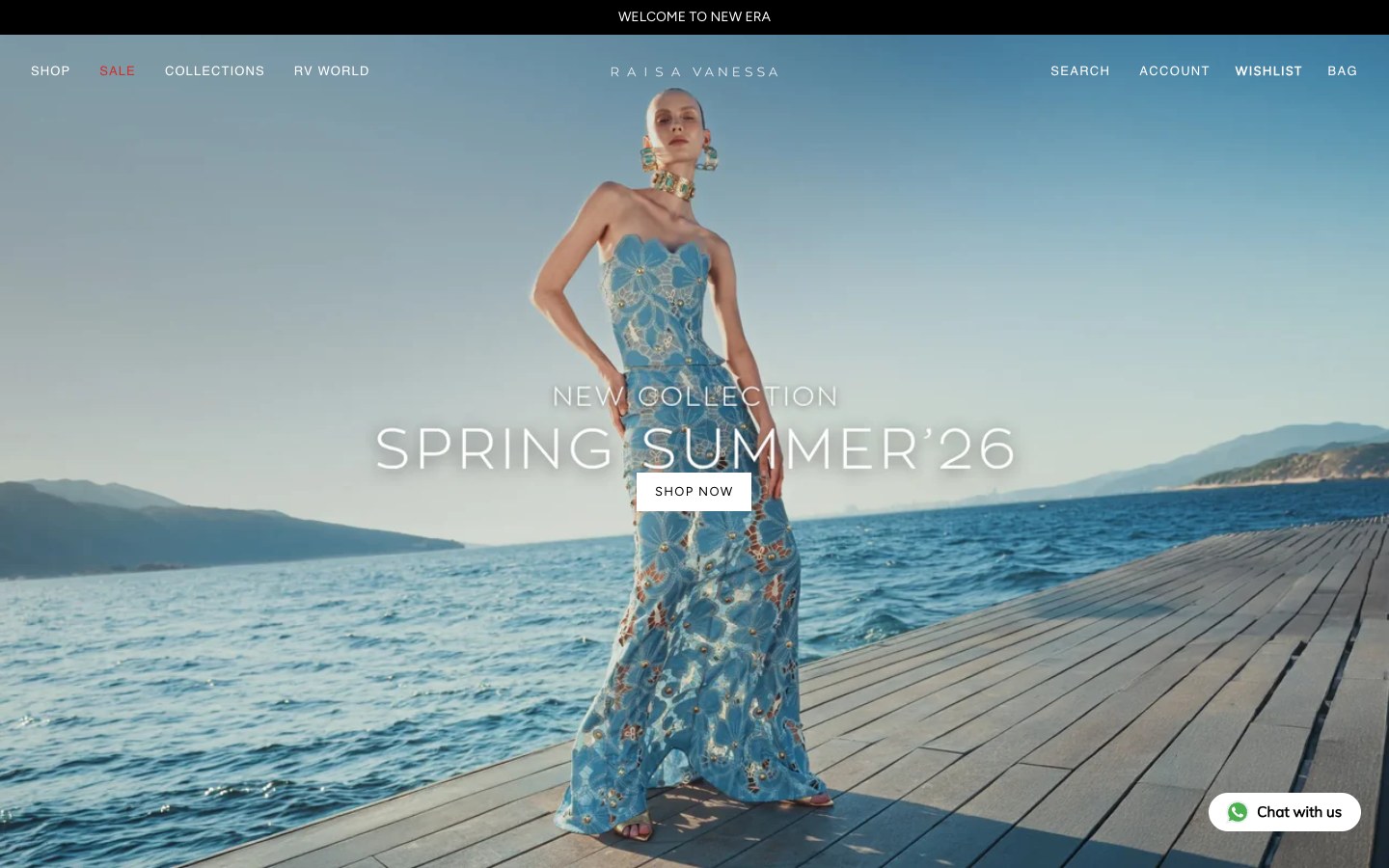
The page-4 record in the owner-authored portfolio PDF and its embedded desktop capture were used as the primary evidence. Shopify, Liquid, API, pricing, integrations, and merchandising are retained; vendor names, market performance, and commercial value claims are not.
Overview
This historical Shopify engagement addressed an international storefront where theme architecture, product and collection workflows, pricing, and integrations had to agree. The available project record supports a Liquid-based commerce implementation with merchandising and usability refinement. It does not identify the connected vendors or quantify the commercial effect, so the case study keeps those boundaries explicit.
Implementation detail
Collection and product surfaces were treated as reusable commerce templates, leaving pricing and integration behavior legible within the storefront rather than hiding it in one-off page edits.
What was built
Shopify and Liquid theme architecture; collection and product workflows; pricing logic; API/integration boundary; merchandising and usability refinement.
Delivered system
The delivered storefront connected international merchandising needs to a clearer Liquid theme and product workflow structure.